Oldest Recording Studio in America | SugarHill, Houston Since 1941
SugarHill is the oldest recording studio in America. Not the oldest building. Not the oldest name on a sign. The oldest room that has kept recording, without a single gap, since 1941. That is a rare claim in this business. Most studios from that era changed cities, changed purpose, or simply closed. This one never did. Here is how it happened, decade by decade.
1941: A Converted Gas Station on Telephone Road
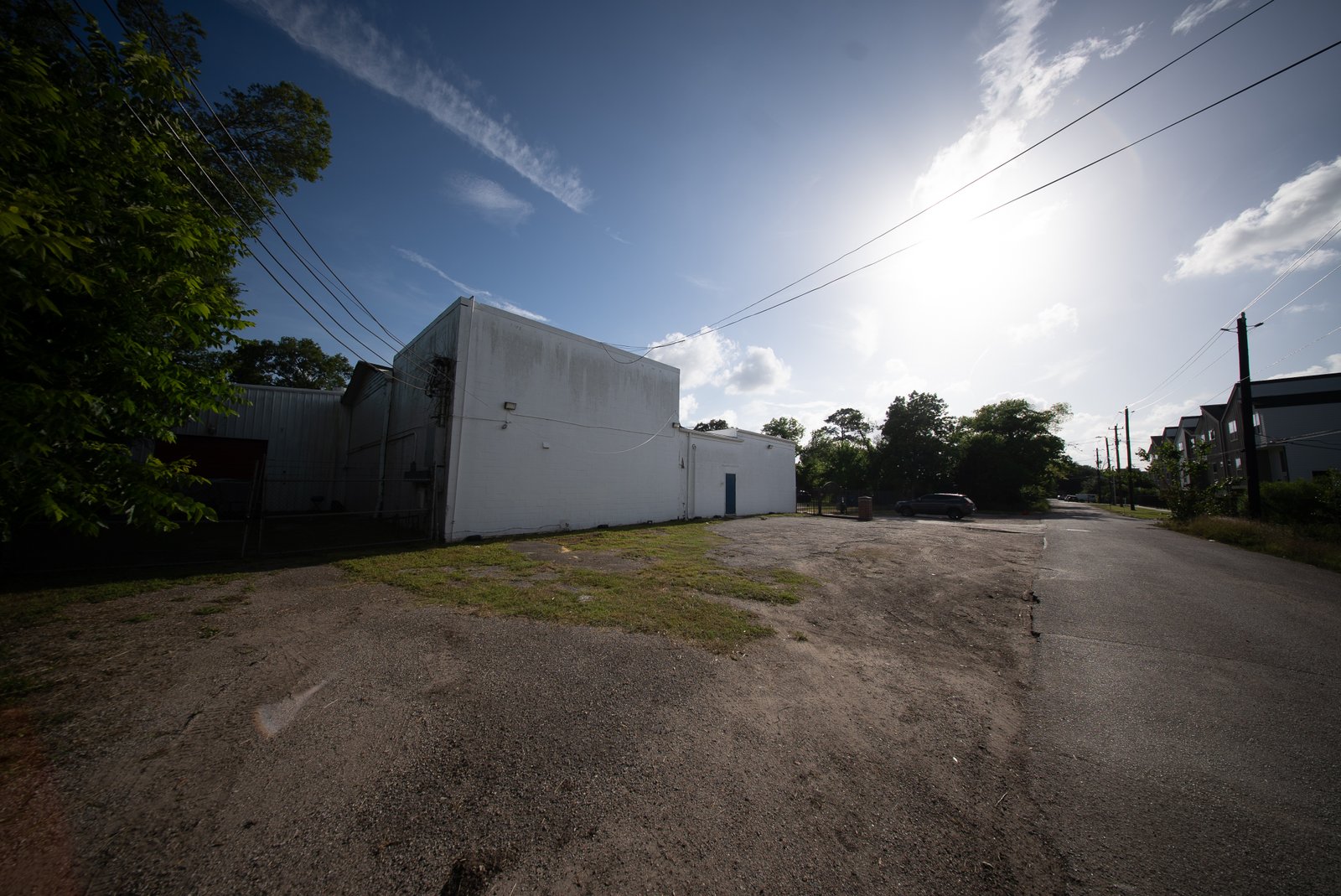
Bill Quinn opened a recording studio inside a converted gas station on Telephone Road in Houston. He called it Quinn Recording. There was no reason to think it would last a year, let alone eighty-five. But Quinn kept the doors open, and the studio never went dark again. That single, unbroken stretch is why SugarHill can call itself the oldest recording studio in America today. The clock started right there, on Telephone Road, in 1941.
1946–1947: Two Hits, Two Genres, One Room
The label was called Gold Star first. In 1946, Cajun fiddler Harry Choates cut "Jolie Blon" in the room, and it became a national hit. A year later, in 1947, a young Lightnin' Hopkins started recording at Gold Star, launching a career that would help define Texas blues. Two artists. Two completely different sounds. One year apart, in the same building. That range would become the studio's signature.
Late 1950s: Rock and Roll Meets Country, Same Floor
By the late 1950s, the hits were national. The Big Bopper cut "Chantilly Lace" here in 1958, a song that still gets played today. At the same time, George Jones was cutting country sides in the same building. Rock and roll in one session, honky-tonk country in the next. The tape machines barely had time to cool down between them.
1966: The Birth of Texas Psych
Then came the strangest and most wonderful turn. In 1966, the room became the launch pad for Texas psychedelic rock. The 13th Floor Elevators recorded "You're Gonna Miss Me" here, and a generation of garage and acid rock followed in its wake. It is still one of the most influential psych rock recordings ever made, and it happened in this Houston room.
1972: The SugarHill Name Arrives
In 1972, Huey P. Meaux bought the studio and gave it the name it carries today: SugarHill. The 1970s ran hot from there. Freddy Fender cut "Before the Next Teardrop Falls" in 1975, a bilingual crossover hit that topped both country and pop charts. Dr. John, Merle Haggard, and Waylon Jennings all left fingerprints on the room during this stretch. Through every one of these eras, the studio kept its doors open to Black and Mexican-American artists decades before that was an easy or common thing for a Southern studio to do. That is part of the history too, and it matters.
The Modern Era: Selena to Travis Scott
The room never slowed down. Selena recorded here. So did Destiny's Child, and a young Beyoncé alongside them. Travis Scott has recorded here too, carrying Houston's sound into the present day. Same brick. Same address. Eighty-five years of records pulled out of one room in Houston.
Why the Title "Oldest Recording Studio in America" Actually Matters
A lot of studios claim history. Very few can prove an unbroken timeline back to 1941, across nine different genres, with a client list that runs from Lightnin' Hopkins to Beyoncé. That combination is what separates SugarHill from every other "historic" studio that has changed hands, changed cities, or simply gone quiet. New ownership is opening the next chapter for SugarHill in 2026. The plan is simple: protect what makes this the oldest recording studio in America, and give the next generation of artists a reason to drive to Houston and cut a record in the same room that made all of the above.
Ready to be part of the timeline? Book a session at 5626 Brock Street.
Come cut a record.
Tell us what you are making and when you want the room. Call 713-926-4431 or book online.
Book a Session